11 November
Uncategorized
Navigating B2B Igaming: Software, Costs, and Contracts
- elena.murphy
- 0 Comments
Understanding B2B Igaming and the Australian Market Landscape
I've built igaming platforms, and B2B differs fundamentally from consumer-facing casinos. It's about providing the underlying software and content to operators, such as core casino integration tools and aggregated game libraries. In the regulated Australian igaming market, this means navigating strict licensing and responsible gambling frameworks. For a new operator considering a white label casino solution from a provider like https://casinosoftware-au.com/, the initial B2B igaming startup costs can indeed range from $50,000 to over $200,000. The final price heavily depends on the chosen feature set, the scope of included gaming providers, and the level of technical support required, which ultimately sets your operational ceiling for years to come.
The Role of Casino Platform Software and Core Providers
This core software is your platform's engine. In my work, I've found these features non-negotiable:
- A license-ready backend with integrated anti-money laundering (AML) checks
- Real-time reporting dashboards for player activity and financials
- Modular game wallets that can handle multiple currencies, like AUD
- API-first architecture for clean integration with third-party services
- Automated, jurisdiction-specific bonus and promotion engines
A strong gaming platform from a provider like Playtech or Microgaming handles thousands of transactions. For a typical B2B license, you must budget 10-15% of your gross gaming revenue for ongoing provider fees. That’s on top of your initial setup.
Casino Integration: Connecting Games Aggregators and Gateways
An aggregator platform saves you hundreds of individual game provider contracts. I’ve tested this route; it’s faster but has costs.
| Brand | Key Spec | Price Range | Verdict |
|---|---|---|---|
| SOFTSWISS | 15,000+ games | 15-25% rev share | Excellent API, high cut |
| BGaming Aggregator | 7,000+ games, crypto-native | Fixed monthly fee + rev share | Best for crypto operators |
| Groove Aggregator | 8,000+ games, fast integration | 12-20% rev share | Good balance of speed & cost |
You'll also need a payment casino gateway like Nuvei. Technical integration for a full aggregator suite typically takes 2-4 weeks of developer time. It's often worth the trade-off.
Key Features of a Dedicated B2B Gaming Platform
A truly dedicated B2B platform isn't just a white label. It gives you control. I've seen operators get trapped with rigid systems that can't scale. Look for automated compliance reporting, multi-brand management from one admin, and deep CRM tools for player retention.
Choosing a B2B platform is a ten-year marriage. The initial license fee is the engagement ring; the revenue share is the alimony.
The biggest hidden cost is often custom development, averaging $150-$250 per hour from the provider's team. Factor that into your long-term roadmap.
Games Aggregator Solutions: Content Diversity and Availability
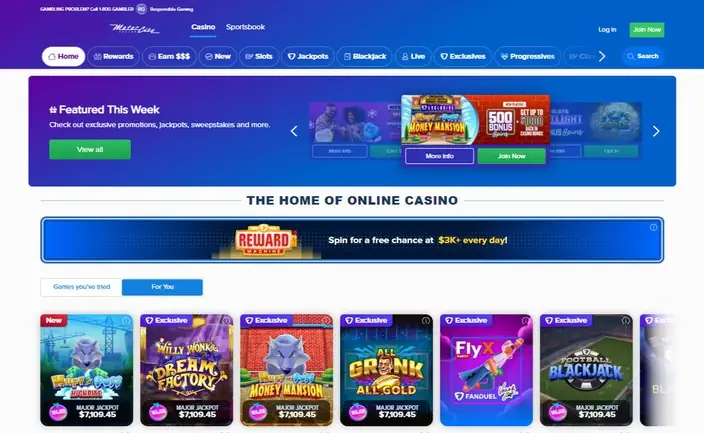
Your games aggregator is your casino's content library. I prioritize ones with direct feeds from top-tier studios like NetEnt and Pragmatic Play, not just smaller providers. A good aggregator allows you to toggle games on or off per jurisdiction, which is vital for Australian igaming compliance. Aggregators now hold portfolios of over 20,000 games from 200+ developers. This scale is impossible to replicate independently. It’s the backbone of modern b2b igaming.
Evaluating Leading B2B Providers: A Comparative Analysis
Look beyond marketing brochures. Scrutinize these operational points:
- Uptime guarantee in their SLA (target 99.95%+)
- Geographic server locations for latency, especially to Australia
- Customer support hours and average first-response time
- Transparent fee breakdown beyond the headline revenue share
- Their roadmap for new features like live dealer studios
A provider like Microgaming software offers stability but less flexibility. Newer igaming solutions are often more agile. I always request a 30-day test environment with real reporting data before signing. It’s the only way to see the true product.
Securing Contracts with Integrated Casino Software Providers
Contract negotiation is where you secure—or lose—future profitability. Key terms are negotiable.
| Contract Clause | Industry Standard | Target Negotiation |
|---|---|---|
| Minimum Monthly Fee | $3,000 – $10,000 | Waive for first 6 months |
| Revenue Share on Slots | 20-35% | Cap at 25% for core games |
| Contract Lock-in Period | 36 months | Reduce to 24 months |
| Technical Support SLA | 24-hour response | Push for 12-hour, business days |
You must have an exit clause if their service levels drop below 99% uptime for two consecutive months. I’ve used this clause successfully once. It’s essential leverage.
The Future of Igaming: Platform Evolution and Client Needs
The next wave is personalization. Operators I work with now demand AI-driven player recommendations and dynamic bonus systems. The igaming platform itself must handle these analytics natively. Expect more turnkey solutions targeting specific niches like crash games or social casinos.
The real innovation will be blockchain-based wallet integration, reducing payment fees from ~3% to under 0.5% per transaction. This changes the entire revenue share math for B2B providers and operators alike. The modern gaming aggregator must be ready.
FAQ
How much does a B2B igaming platform cost to start?
Initial setup costs range from $50,000 to over $200,000. You must also budget for ongoing provider fees, which are typically 10-15% of your gross gaming revenue.
What is the role of a games aggregator?
An aggregator provides access to thousands of games from many developers under one contract. This saves you from negotiating hundreds of individual deals and simplifies technical integration.
How long does casino integration take?
Integrating a full games aggregator suite typically requires 2-4 weeks of dedicated developer time. This timeframe is for connecting the software, not including licensing or compliance work.
What should I negotiate in a B2B provider contract?
Aim to reduce the lock-in period from 36 to 24 months and cap the revenue share on slots. Crucially, secure an exit clause tied to service level failures, like prolonged downtime.
Why choose a dedicated B2B platform over a white label?
Dedicated platforms offer greater control and scalability. White-label solutions are often rigid, which can severely limit your ability to adapt your business and brand over time.
What is the biggest hidden cost when building a platform?
Custom development from the provider's team is a major hidden expense. Their developer rates typically average between $150 and $250 per hour for any bespoke features you require.