21 November
Uncategorized
KPV Peptide Injection Dosage: What Is Established, Unknown, and Known
- elena.murphy
- 0 Comments
Oral KPV is categorized as a product for research in the market, intended for gut use, lacking a prescription, standardized content, or any human trials to support its serving sizes. The rationale for using injected KPV in repair-focused protocols lies in the fact that a subcutaneous dose bypasses the stomach and immediately enters circulation from the injection site, targeting areas beyond the gut lumen.
If your primary aim is comfort in the gut, starting with oral administration is the most sensible choice as it directly affects the relevant tissue. In contexts of compounding, formulations ranging from 0.1 percent to 1 percent can be found. The following information illustrates trends observed in research settings, compounding practices, and feedback from athletes. A slight reduction in systemic disturbance for each session allows for an increased accumulation of quality workouts over a week. This often provides additional time and space to implement the true solution, which involves changes to training and progressive tissue loading. There are claims from individuals regarding antimicrobial properties in certain models and overall wound healing enhancements in others.
The scientific excitement around KPV comes from its elegant and targeted mechanism. Oral KPV for Gut Health For issues related to gut inflammation (such as that seen in models of Inflammatory Bowel Disease (IBD)), oral administration is the preferred method. The best way to administer KPV depends entirely on the intended target of its anti-inflammatory action. Determining a KPV peptide dose is complex because all protocols are based on extrapolations from animal studies and user observations, not established human trials.
Because KPV is investigational, no peptide stack has been proven safe or effective for KPV in human trials. Eligibility for any prescription treatment requires a clinician evaluation, and compounded medications are not FDA-approved. These are different buy KLOW peptide treatments with different evidence, routes, risks, and clinical use cases; they are not substitutes for KPV or approved treatments for inflammatory bowel disease. Depending on a patient’s goals and medical history, our providers may discuss other Chia offerings such as sermorelin, NAD+, glutathione, or GHK-Cu Cream.
All KPV.com treatment plans are created by licensed physicians based on your individual health profile.

This delivery method demonstrated improved targeting and efficacy in experimental models of mouse colitis and lung injury. These KPV studies do not establish a standard needle depth, gauge, or schedule. The information is retained here as context for corrections rather than as suggested starting (maintenance), or maximum dosages. A limited review of the registry fails to confirm that human use has not taken place. A concentration found in either mouse drinking water or a cell culture dish does not constitute a ready-to-use prescription for humans.
BPC-157 affects the dopaminergic and serotonergic systems in rodent models, and caution is warranted in patients on SSRIs, MAOIs, or antipsychotics . Prescribers and patients should check the current FDA 503A/503B bulk substances lists before initiating any protocol. Still, patients with Wilson’s disease or other copper metabolism disorders should not use any GHK-Cu preparation.
In animal studies KPV was reported to be well tolerated; human safety data are limited. Research shows that staying on a peptide continuously, without a break, may make it less effective over time. Peptides that are commonly stacked with KPV, and the blends that combine them.
Whichever treatment option is best indicated for you, Protocole also offers multiple purchasing options — one-time purchases and two subscription tiers. Left unchecked — inflammation becomes a chronic health problem that spells serious trouble for your tissues and organs, immune function, and overall health. The approval finding is based on the FDA records checked on September 28 — 2026. The FDA review separates the substance’s name from evidence of a benefit in people.
Turn a term into a useful question
For full handling timelines, see how long reconstituted peptides last. On a U-100 insulin syringe, every 0.1 mL equals 10 units. Injectable KPV ships as a lyophilized powder that you reconstitute with bacteriostatic water before drawing a dose. Many users separate these by time of day as well — depending on goal. For systemic targets the logic flips — and subcutaneous wins. Most people running oral KPV for gut symptoms notice the first changes, reduced bloating, less cramping, and steadier stool, around weeks two to four.
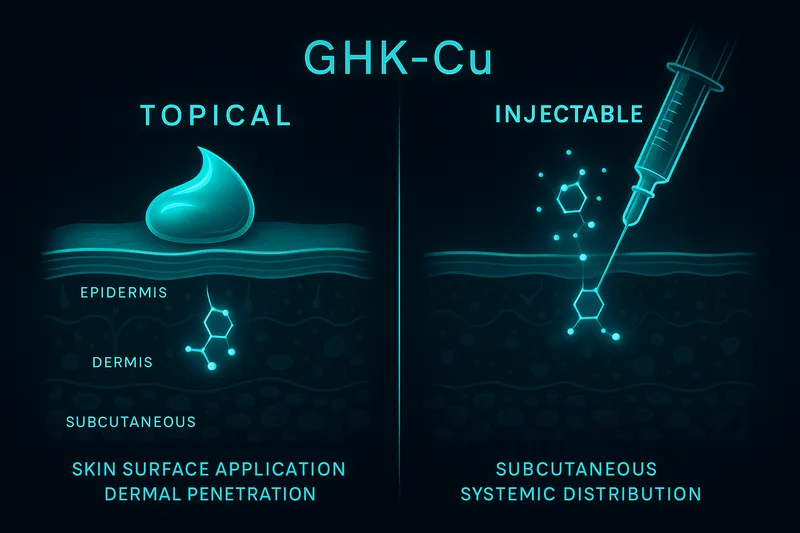
Administration routes
There have been no published pharmacokinetic and dose-finding studies for subcutaneous KPV in humans. Which route, dose, or schedule is optimal has not been determined by published human comparisons. For examples of planning over four — six, eight, 12, and 16 weeks, as well as reported break lengths, study timelines, and vial calculations, refer to the KPV cycle-length guide. Use a U-100 insulin syringe and read units, not mL. To find the volume needed for the desired research amount (convert the vial’s mass from milligrams to micrograms), divide by the added milliliters, and then perform the calculation.
A prescription cannot make a non-compoundable substance compoundable, so there is no pharmacy label, and therefore no labeled dose, for any provider to follow. The only injected rodent dose in the literature is a single 1 milligram per kilogram injection in mice (which by weight scaling would be about 70 milligrams for an adult and by body-surface-area scaling about 5.7 milligrams), roughly 10 to 350 times the chart figures. Whether a swallowed capsule of free KPV reaches an inflamed human colon in a useful amount has never been measured, and the same laboratory later found that free KPV needed about 12,000 times the concentration of nanoparticle-packaged KPV to do the same job in mice. In mice — KPV taken in drinking water reduced colitis, and the reason it can work orally is that it is carried into cells by PepT1, the transporter that absorbs small peptides in the small intestine and is switched on in the colon lining during inflammatory bowel disease.
This systematic approach helps identify the truly ideal dose and dosing for KPV peptide for individual research contexts. Researchers interested in comprehensive peptide protocols should carefully document combination approaches to identify synergistic effects or necessary adjustments. Many researchers explore the ideal dose and dosing for KPV peptide within combination protocols that include other compounds. Proper storage directly impacts whether your calculated dose matches the actual active peptide delivered. This gradual approach allows for careful observation of dose-response relationships and identification of the minimum effective dose for individual research contexts.